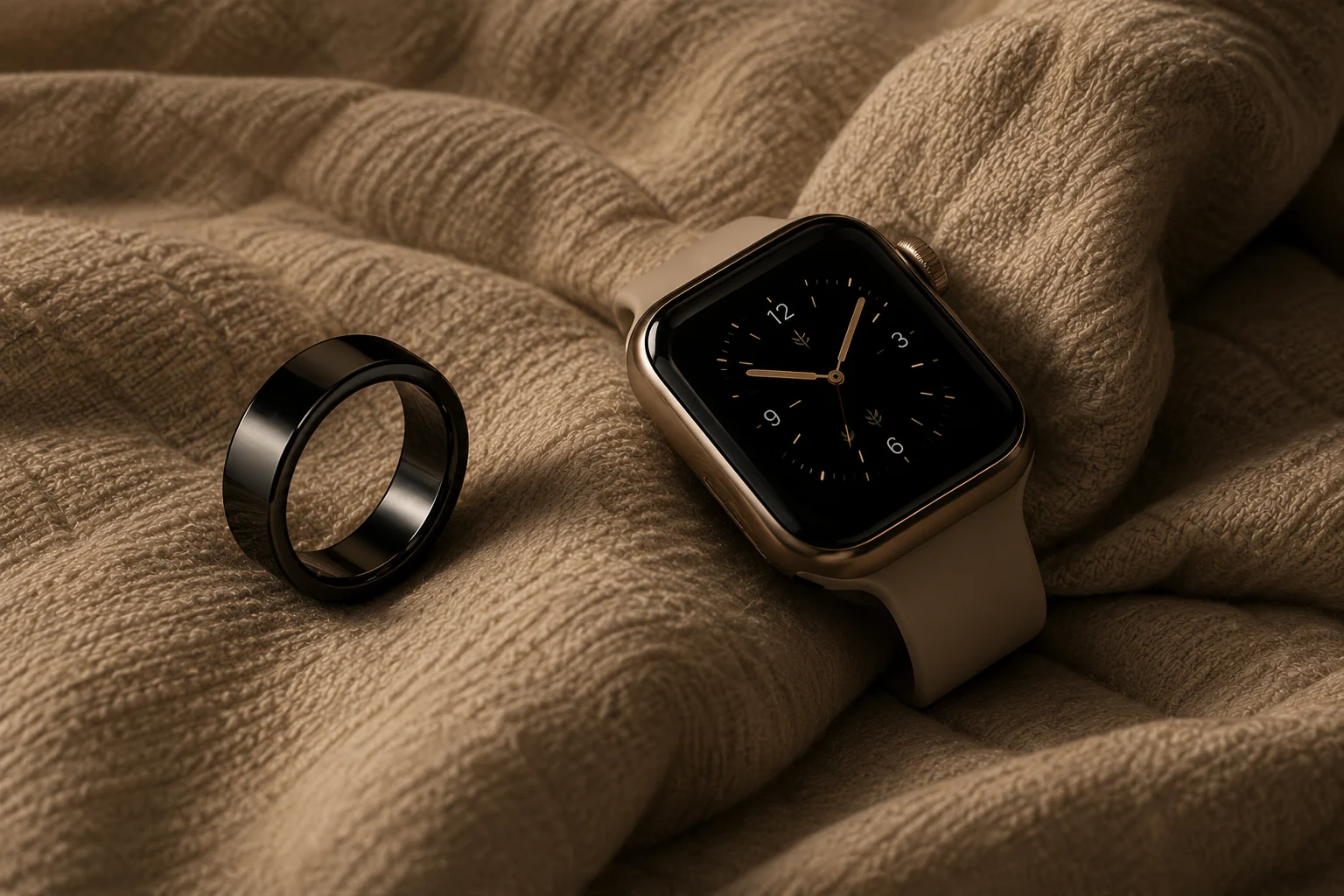
Both WHOOP and Oura Ring are excellent trackers — but they measure different things and suit different users. Oura Ring wins on sleep staging, temperature tracking, and upfront cost. WHOOP wins on continuous recovery monitoring, strain tracking, and the depth of its perimenopause journal feature. If menopause symptom correlation is your primary goal, Oura Ring is the better fit. If you want to understand how your hormonal cycle affects your physical recovery and performance, WHOOP is more powerful.
Why both belong in this comparison
Most wearable comparisons pit WHOOP against Garmin and Oura Ring against the Apple Watch — as if they're competing in different categories. But in the context of perimenopause and menopause tracking, WHOOP and Oura Ring are direct competitors. Both are screenless. Both are worn 24/7. Both track HRV, sleep, and recovery. And both have added menopause-specific features in the last two years.
The question worth asking isn't 'which is technically better?' — it's 'which one will actually help you understand what's happening to your body during the menopausal transition?'
Research
Skin temperature measured at the finger (proximal artery) correlates more reliably with core body temperature than wrist-based measurement — giving finger-worn devices a physiological accuracy advantage for detecting subtle overnight temperature fluctuations.
— Journal of Applied Physiology (2020)Research
Heart rate variability (HRV) is significantly lower during perimenopausal and postmenopausal stages compared to premenopausal women — making continuous HRV monitoring particularly meaningful as a proxy for autonomic nervous system health during the menopausal transition.
— Menopause: The Journal of the Menopause Society (2022)| WHOOP 4.0 | Oura Ring 4 | |
|---|---|---|
| Price | Free device + $30/mo | $349–$499 + $5.99/mo |
| Year-1 total cost | $360 | $349–$499 |
| Year-3 total cost | $1,080 | $493–$643 |
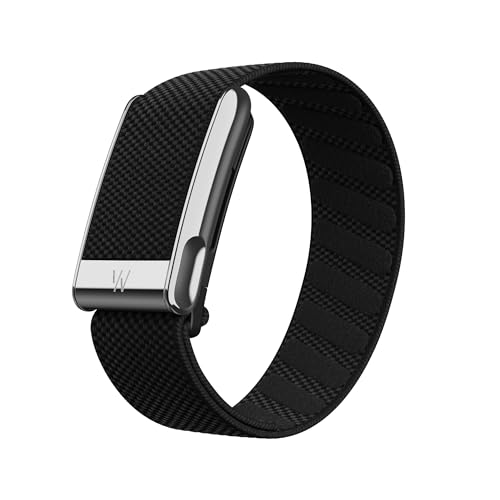
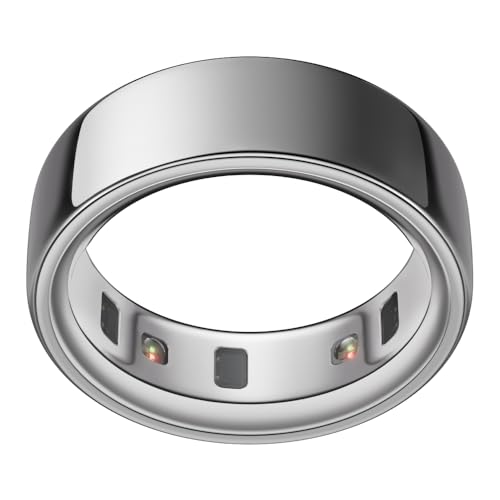
| Form factor | Wrist band | Ring |
| Battery life | Up to 5 days | Up to 8 days |
| HRV tracking | Continuous 24/7 | Overnight |
| Sleep stages | Detailed | Detailed |
| Skin temperature | Wrist (less accurate) | Finger (more accurate) |
| Recovery score | Daily % | Readiness score |
| Strain tracking | Continuous | Activity only |
| Perimenopause log | Dedicated journal | Symptom tagging |
| Menstrual tracking | Cycle insights | Cycle insights |
| Screen | App only | App only |
| Blood oxygen | ||
| GPS | ||
| Water resistance | IP68 | 100m water resistant |
| FSA/HSA eligible | ||
| Android compatible |
WHOOP 4.0
What it does well
Continuous HRV is the gold standard for menopause
WHOOP measures HRV continuously throughout the day and night — not just during a sleep window. During perimenopause, when oestrogen fluctuations affect your autonomic nervous system unpredictably, seeing your HRV trend across the full day gives you a much more nuanced picture than an overnight snapshot.
Over weeks, the patterns become visible: HRV drops in the days preceding what used to be your period. It dips after a bad night. It tanks after alcohol or stress. Having a continuous trace rather than a nightly reading means you catch these patterns faster.
The perimenopause journal is the most detailed on the market
WHOOP's dedicated perimenopause feature lets you log hot flashes, brain fog, joint pain, mood changes, and fatigue — and the app correlates these against your biometric data. After 3–4 weeks you start seeing which physiological conditions (low HRV, high strain, poor recovery) precede your worst symptom days.
This is the most clinically-oriented symptom-correlation feature currently available in a consumer wearable. Oura has symptom tagging, but the correlation analysis is less sophisticated.
Strain score is genuinely useful for active women
WHOOP quantifies the total cardiovascular load on your body each day, scored from 0–21. For women managing exercise during perimenopause — where the relationship between training load and hormonal response is complex — knowing your precise strain score before deciding whether to push or rest has real value.
Oura tracks activity but doesn't offer a comparable exertion quantification.
Honest cons
The subscription is a long-term commitment
At $30/month, WHOOP costs $360/year — and there is no buy-once option. The device is free, but access to the data requires a continuous subscription. Over three years that's $1,080 in software costs. Compared to Oura's one-time purchase plus $72/year subscription, WHOOP is significantly more expensive long-term.
Wrist temperature is less precise for hot flash detection
WHOOP measures skin temperature at the wrist. Oura measures it at the finger. Arteries are closer to the skin's surface in the finger, giving more accurate readings of subtle overnight temperature changes. In direct comparisons, Oura consistently detects smaller temperature deviations — which matters when you're trying to track hot flash patterns.
Sleep staging can be inconsistent without optimal fit
WHOOP's accuracy depends heavily on wearing the band consistently snug. If it shifts overnight — which happens more than Oura's ring does — the sleep staging data degrades. Oura sits fixed on your finger all night.
Oura Ring 4
What it does well
Finger-based sensing gives the most accurate temperature data
The Oura Ring's temperature tracking is its defining advantage for menopause. The device measures skin temperature deviation from your personal baseline every night, using a finger-based sensor that is physiologically more accurate than any wrist-worn alternative.
Over time, you build a temperature baseline that's uniquely yours — and deviations become meaningful. Higher temperature deviation nights correlate with stress, illness, and hormonal fluctuations in a way that wrist-based readings miss.
Better cost structure over 2–3 years
At $349 upfront plus $5.99/month after year one, Oura costs significantly less than WHOOP over any multi-year period. If you're committing to long-term tracking — which is the right mindset for menopause monitoring — the economics strongly favour Oura Ring.
It's also FSA and HSA eligible, which can meaningfully reduce the effective cost if you have funds in a health spending account.
8-day battery means zero friction
You charge Oura once a week. WHOOP charges every 4–5 days — and its sliding battery charger means the band stays on your wrist during charging, but it still requires daily attention to battery level.
The ring form factor also means no wrist bulk, no tan line, and nothing to think about. It becomes invisible in a way a wrist band never quite does.
Honest cons
No continuous HRV — overnight measurement only
Oura measures HRV during your sleep window. WHOOP measures it continuously. For women who want to see how their nervous system responds to stress events during the day — a difficult meeting, a conflict, a hot flash — WHOOP's daytime HRV trace gives information that Oura doesn't.
No strain tracking
Oura tracks activity and gives a readiness score, but it doesn't quantify exertion with the precision WHOOP does. If you exercise regularly and want to understand how training load interacts with your hormonal fluctuations, WHOOP's strain data is more actionable.
Sizing requires a trial kit
Oura ships a free sizing kit that you wear for several days before ordering your ring. It's a small friction point, but it means you can't buy on impulse — and getting the wrong size is a meaningful error.
WHOOP 4.0 is best for
- You want the most detailed continuous HRV picture available
- You exercise regularly and want strain scores to guide training around hormonal fluctuations
- You want the deepest perimenopause symptom-correlation journal currently available
- Upfront cost is more of a concern than long-term subscription cost
- You want to understand the relationship between daily activity and recovery — not just sleep
Oura Ring 4 is best for
- Temperature tracking is your priority — especially for hot flash pattern detection
- You want the most accurate overnight sleep staging available in a wearable
- You prefer a one-time cost over an ongoing monthly subscription
- You have FSA or HSA funds to use
- Ring form factor suits your lifestyle better than a wrist band
- Long battery life and zero-friction wear matters to you
Can you use both — and should you?
Some women do wear both — using Oura Ring for its superior temperature and sleep staging, and WHOOP for daytime HRV and strain tracking. If you're going through an active phase of perimenopause and want to build the most complete picture possible, the combination is genuinely powerful.
That said, most people don't need both. The 80/20 decision: if temperature tracking and sleep accuracy are your primary goal, Oura. If you want to understand how your body's recovery capacity fluctuates with your cycle and want continuous HRV all day, WHOOP.
Our verdict
For menopause symptom tracking
Oura Ring 4
The finger-based temperature sensor is meaningfully more accurate for detecting the subtle overnight temperature shifts associated with hot flashes and hormonal fluctuation. The sleep staging is class-leading. The cost structure is better over two-plus years. For women focused specifically on understanding their menopause symptoms through physiological data, Oura Ring 4 is the stronger choice.
Buy Oura Ring 4 on Amazon →For recovery and performance intelligence
WHOOP 4.0
If you're an active woman who wants to understand how perimenopause is affecting your physical capacity — your recovery between workouts, your HRV response to stress, your body's ability to handle exertion at different points in your cycle — WHOOP gives you depth of data that Oura doesn't match. The perimenopause journal correlation feature is also the best on the market. The subscription is expensive long-term, but the insight is real.
Buy WHOOP 4.0 on Amazon →Over three years: Oura Ring costs approximately $493–$643 (device + subscription). WHOOP costs approximately $1,080 (subscription only). If budget is the deciding factor and both would meet your needs, Oura Ring wins by a significant margin.
| WHOOP 4.0 | Oura Ring 4 | |
|---|---|---|
| Purchase price | $0 (device free) | From $349 |
| Monthly fee | $30/month | $5.99/month (yr 2+) |
| Year-1 total | $360 | From $349 |
| Year-2 total | $720 | From $421 |
| Year-3 total | $1,080 | From $493 |
Affiliate disclosure: Links to both products on this page are affiliate links. We earn a small commission if you buy through them. Our recommendations reflect honest assessment of both devices including their limitations.